-
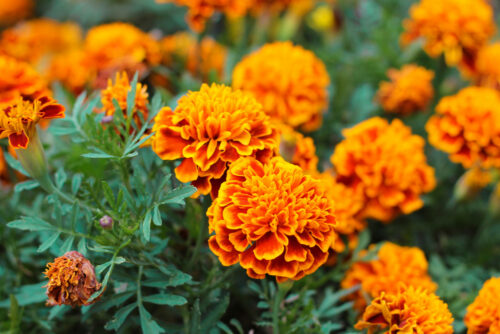
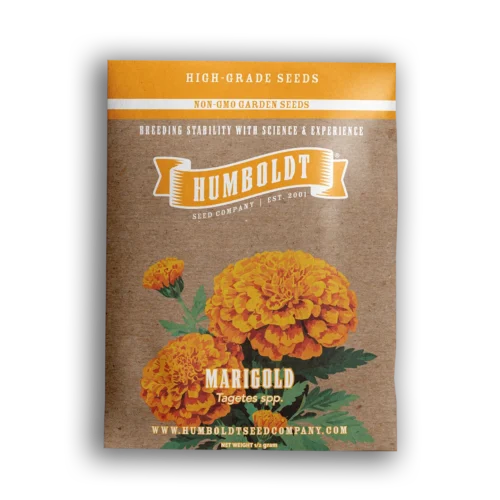 Marigold (Tagetes spp.) is a hardy, sun-loving annual known for its vibrant blooms in shades of gold, orange, and red. These resilient flowers thrive in well-drained soil, attracting pollinators while naturally deterring common garden pests such as aphids and nematodes. Widely used in companion planting, including alongside cannabis, marigolds help support a healthier garden ecosystem by drawing beneficial insects and discouraging unwanted pests. With their compact, bushy growth and long-lasting blossoms, they’re perfect for borders, containers, and mixed garden beds. Easy to grow from seed, marigolds bloom from spring to frost, bringing warmth, color, and functional beauty to any garden. • 45–60 days Days to Maturity • Hardiness: Frost-sensitive annual; may persist year-round in frost-free climates • Exposure: Full sun • Attributes: Attracts butterflies, cut flower, drought tolerant, edible flower, good for containers, deer resistant, rabbit resistant • Planting Spacing: 18-24 inches apart • Germination Rate: 96% • Flowering Time: 45–60 days to maturity
 -
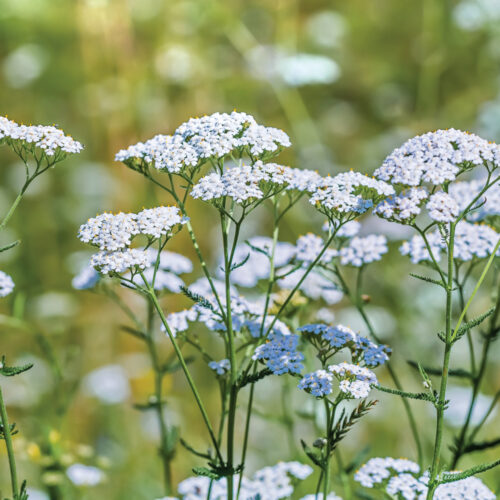
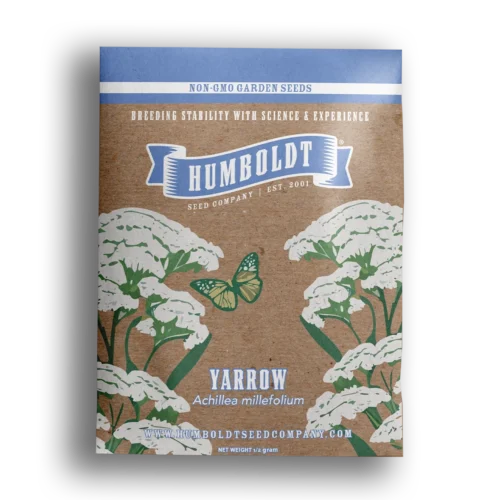 Achillea millefolium, or Yarrow, is a hardy perennial that thrives in well-drained soil and full sun. Its aromatic white flowers attract pollinators and beneficial insects, making it a valuable companion plant in gardens, including alongside cannabis, where it helps support a balanced ecosystem and natural pest control. With soft, feathered green leaves, yarrow grows up to three feet tall and blooms from late spring to summer. Easy to grow from seed or by division, it adds both beauty and functional benefits to any garden. • Days to Emerge: 7-14 days. Yarrow usually first blooms in late spring or in its second year if grown from seed. • USDA Zones 2-9 or perennial in zones 2-9. • Bloom Season: Summer to frost • Exposure: Full sun • Sow Outside: 2 to 4 weeks after your average last frost date or in the fall for spring germination. • Use: Container garden, cut flower garden, ground cover • Attributes: Attracts bees, butterflies, hummingbirds, and pollinators • Seed Depth: Press into surface • Germination Rate: 96%
 -
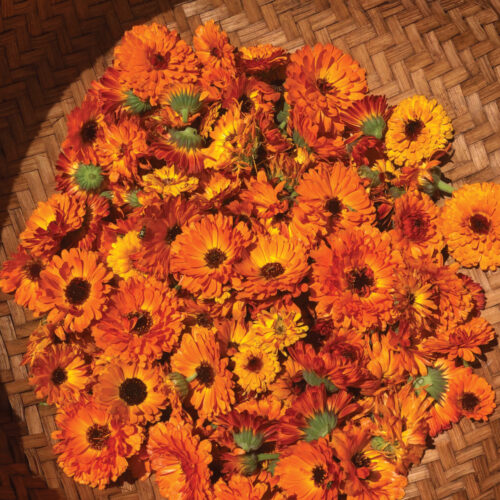
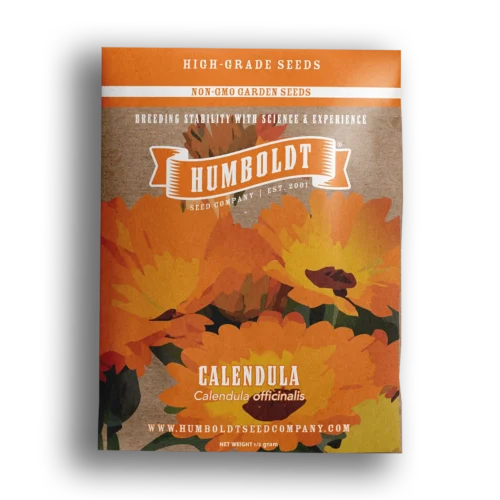 Calendula (Calendula officinalis) are hardy, early bloomers with vibrant, sun-kissed hues atop sturdy stems. Semi-double, 2–3 inch blossoms appear in shades of orange, apricot, peach, and cream, often accented with deep red. Calendula is loved in pollinator gardens and as a companion plant, including alongside cannabis. Calendula attracts beneficial insects that help support plant health. The edible petals add charm to salads, and the plant has a long history in herbal medicine. Easy to grow from seed and tolerant of light frosts, calendula brings beauty, function, and purpose to any garden. • Planting Season: Spring • Bloom Season: Spring through Fall • Exposure: Full sun • Use: Container garden, cut flower garden, medicinal • Attributes: Attracts pollinators including bees and butterflies, easy to grow & maintain, edible, extended bloom time, fragrant easy to grow & maintain, edible, extended bloom time, fragrant • Flowering Time: 50-60 Days to Maturity (from direct sow) • Germination Rate: 96%
 -
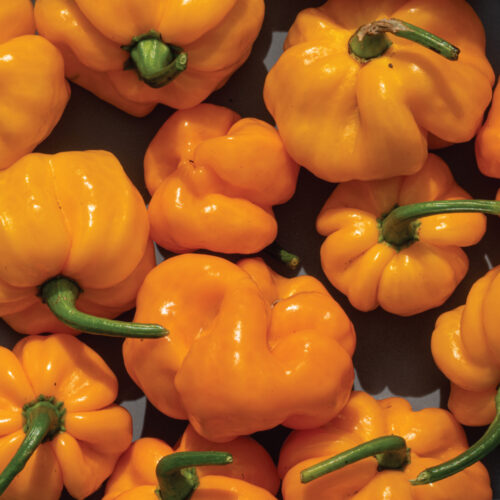
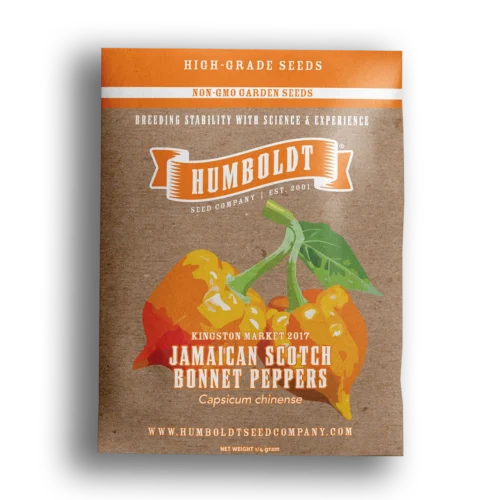
The Scotch Bonnet Pepper (Capsicum chinense) delivers a fiery kick, comparable to the habanero, but with a uniquely fruity, sometimes smoky flavor. Occasionally called Scotty Bon or Bonny Pepper, its name comes from its resemblance to a Scottish tam (bonnet). Beyond the kitchen, Scotch Bonnet Peppers can also serve as a companion plant in the garden, where their strong aroma may help deter certain pests when grown alongside other crops. This pepper balances intense heat with a citrusy, apricot-like sweetness, especially when fully ripened to red. A staple in Caribbean cuisine, it’s perfect for jerk seasoning, hot sauces, and fruit-based salsas. With a Scoville rating of 100,000 to 325,000, it’s not for the faint of heart!
• Kingston Market 2017 • Hardiness: Frost-sensitive perennial grown as an annual • Exposure: Full sun • Attributes: Frost-sensitive, good for containers • Planting Spacing: 18-24 inches apart Flowering Time: 100-120 Days to Maturity (from transplant) • Germination Rate: 96% -
Out of stock
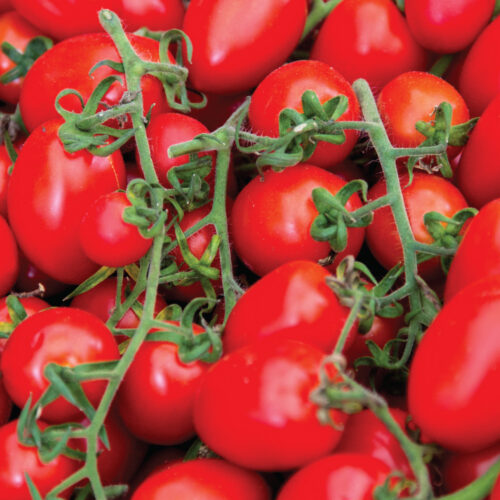
San Marzano Tomatoes (Solanum lycopersicum) are a prized Italian heirloom known for rich flavor and heavy yields, with vigorous vines reaching 6 feet or more. These plump, elongated fruits are perfect for fresh eating or velvety sauces. In the garden, San Marzano tomatoes also work well in companion planting, pairing nicely with herbs and flowers that help attract beneficial insects and support overall plant health. Ready in about 80-90 days, these non-GMO seeds thrive in gardens, raised beds, or containers. Often compared to Roma tomatoes, the tall vines flourish in warm weather, producing 5-inch, 4-oz fruits ideal for canning and preserving, capturing the true taste of summer.
• Sweet and robust
• Bright red color
• Indeterminate Paste Tomato
• A part of the Solanaceae family
• Exposure: Full sun
• Temp Preference: Warmer (70-85° F), frost-sensitive annual
• Soil Preference: Well-draining, loose (sandy loam), slightly acidic (6.2 to 6.8)
• Garden: Greenhouse, plot, raised bed
• Germination Rate: 96%
• 80-90 Days to Maturity (from transplant)
-
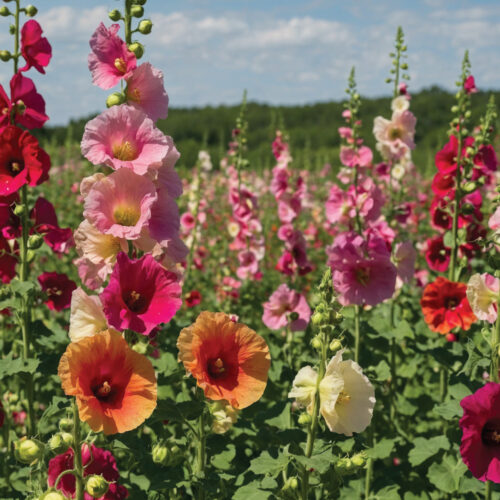
Hollyhock seeds (Alcea rosea) Ideal for back borders, they create a dramatic backdrop as their buds slowly unfurl into exquisite, chalice-shaped flowers. These classic blooms not only add striking color and vertical interest but also serve as companion plants, attracting pollinators and beneficial insects that support a healthy garden ecosystem. With graceful, towering spires, these antique hollyhocks showcase single blossoms in rich hues of deep rose, pink, salmon-pink, and white. Perfect for back borders, they create a dramatic backdrop while slowly unfurling into exquisite, chalice-shaped flowers that evoke old-fashioned charm.
• Hardiness: Biennial, hardy in USDA zones 3–9
• Planting: Direct sow after last frost
• Bloom Season: Summer through Fall
• Exposure: Full sun
• Attributes: Attracts hummingbirds, butterflies, and other pollinators, offers stately towers of flowers
• Germination Rate: 96%
• Flower Time: Biennial; typically flowers in the second year
-
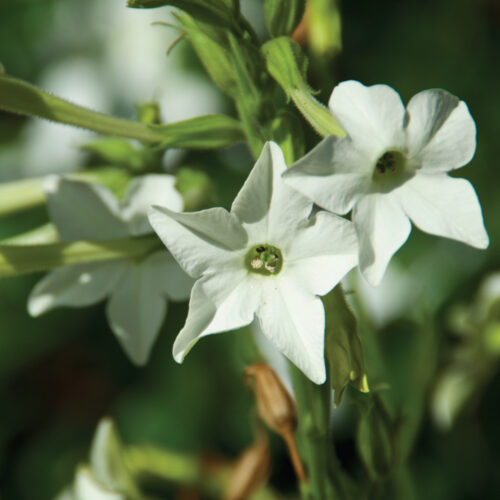
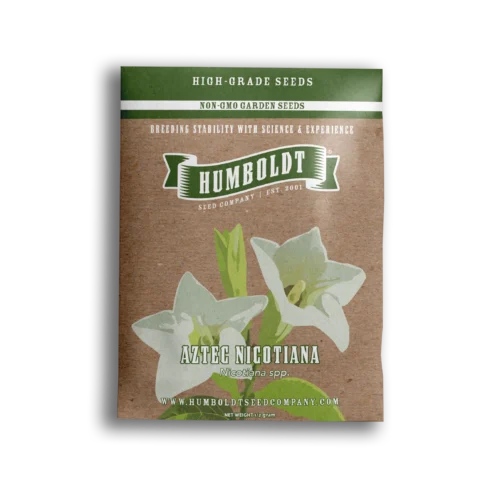
Aztec Nicotiana (Nicotiana spp.) is a frost-sensitive perennial, often grown as an annual for its fragrant, trumpet-shaped blooms that attract pollinators. In addition to its ornamental appeal, it works well as a companion plant, helping draw beneficial insects that support a healthy garden ecosystem. Thriving in full sun, this elegant flowering plant adds height and charm to gardens and containers, reaching up to 6 feet tall. With lush green foliage and long-lasting blossoms, it’s an excellent choice for borders, flower beds, and pollinator-friendly landscapes. Easy to grow, it blooms continuously from late spring to frost.
• Hardiness: Frost-sensitive perennial, typically grown as an annual
• Exposure: Full sun
• Attributes: Attracts pollinators like hummingbirds & hummingbird moths
• Planting Spacing: 18-24 inches apart
• Germination Rate: 96%
• Flowering Time: 60-75 Days to Maturity
-
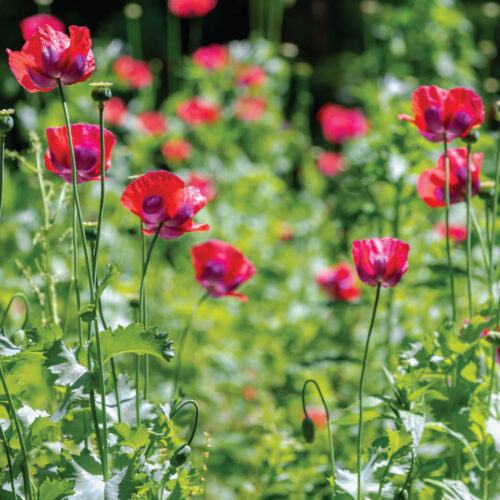
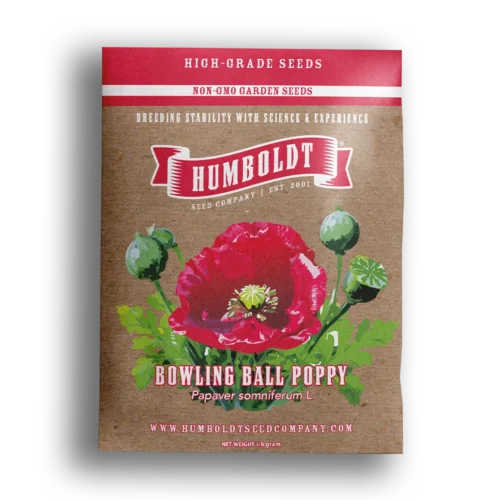
Bowling Ball Poppies (Papaver somniferum L.) are prized for their large, seed-filled pods resembling tennis ball–sized bowling balls. Their short-lived blooms give way to striking seed heads on sturdy 36–48 inch stems, making them ideal for dried arrangements. In the garden, these poppies can also play a companion role, adding diversity and attracting pollinators that support a healthy growing environment. Easily self-sowing like California poppies, they thrive in borders and cottage gardens. With vibrant hues and a delicate fragrance, they make stunning fresh-cut flowers and a low-maintenance, uplifting addition to any garden.
• Sowing Method: Direct sow
• Season: Spring to Summer
• Exposure: Full sun
• Soil: Rich, moist, well-drained
• Season: Spring to Summer
• Caution: Poisonous! The purchaser assumes all liability related to the use of this product
• Germination Rate: 96%
Flowering: 80-90 Days to Maturity
FREE SHIPPING OVER $150



Feminized Seeds
Discover the exceptional quality of California’s best seeds, certified by Leafworks, with 99% or more female plants for reliable cultivation and top-tier performance.

Autoflower Seeds
Explore the advantages of California’s best autoflower seeds, which flower independently of light cycles for faster turnarounds, simplified cultivation, and efficient harvest planning.



Your Trusted Source for Premium California Genetics.
Humboldt Seed Company delivers award-winning, high-yield seeds with stable genetics, sustainable practices, and a dedication to preserving California’s finest strains.
Sign Up and Save 10% on Your First Order Over $100!

Shop
Information
New Releases
Best Selling Autos
Best Selling


© Copyright 2011 - 2026*Please note that you may receive a package that shows an earlier filial generation (F1…) or backcross generation (Bx…) but the seeds within represent the most recent iteration of the cultivar and the generational information displayed here is the most accurate for our current seed lots. FARM BILL COMPLIANT – Our seeds contain less than 0.2% and are in compliance with the 2018 Farm Bill. Promotions can’t be combined with other offers, limit one freebie or promo code per customer, and are subject to change without notice, we often run limited stock and promotions are only good while stock is available, there are no returns or exchanges on free products, free products may be substituted without notice. FDA DISCLOSURE: Representations regarding the efficacy and safety of Hemp Seeds have not been evaluated by the Food and Drug Administration. These statements have not been evaluated by the FDA and are not intended to diagnose, treat, or cure any disease. Subject to change without notice.

Your Trusted Source for Premium California Genetics.
Humboldt Seed Company delivers award-winning, high-yield seeds with stable genetics, sustainable practices, and a dedication to preserving California’s finest strains.
Sign Up and Save 10% on Your First Order Over $100!
Shop
Information
New Releases
Best Selling Feminized
Best Selling Autos
© Copyright 2011 - 2026*Please note that you may receive a package that shows an earlier filial generation (F1…) or backcross generation (Bx…) but the seeds within represent the most recent iteration of the cultivar and the generational information displayed here is the most accurate for our current seed lots. FARM BILL COMPLIANT – Our seeds contain less than 0.2% and are in compliance with the 2018 Farm Bill. Promotions can’t be combined with other offers, limit one freebie or promo code per customer, and are subject to change without notice, we often run limited stock and promotions are only good while stock is available, there are no returns or exchanges on free products, free products may be substituted without notice. FDA DISCLOSURE: Representations regarding the efficacy and safety of Hemp Seeds have not been evaluated by the Food and Drug Administration. These statements have not been evaluated by the FDA and are not intended to diagnose, treat, or cure any disease. Subject to change without notice.